
Bring Dale or Paul to your staff room.
The School of Play has two directors, and both of them still work with staff in person. Dale Sidebottom built ClassBreak out of 15 years of classroom games and teaches them from the gym floor. Paul Campbell spent twenty years in schools, most recently as an assistant principal, and works on the wellbeing side. Book either, or both.
New here? Read the ClassBreak story first.
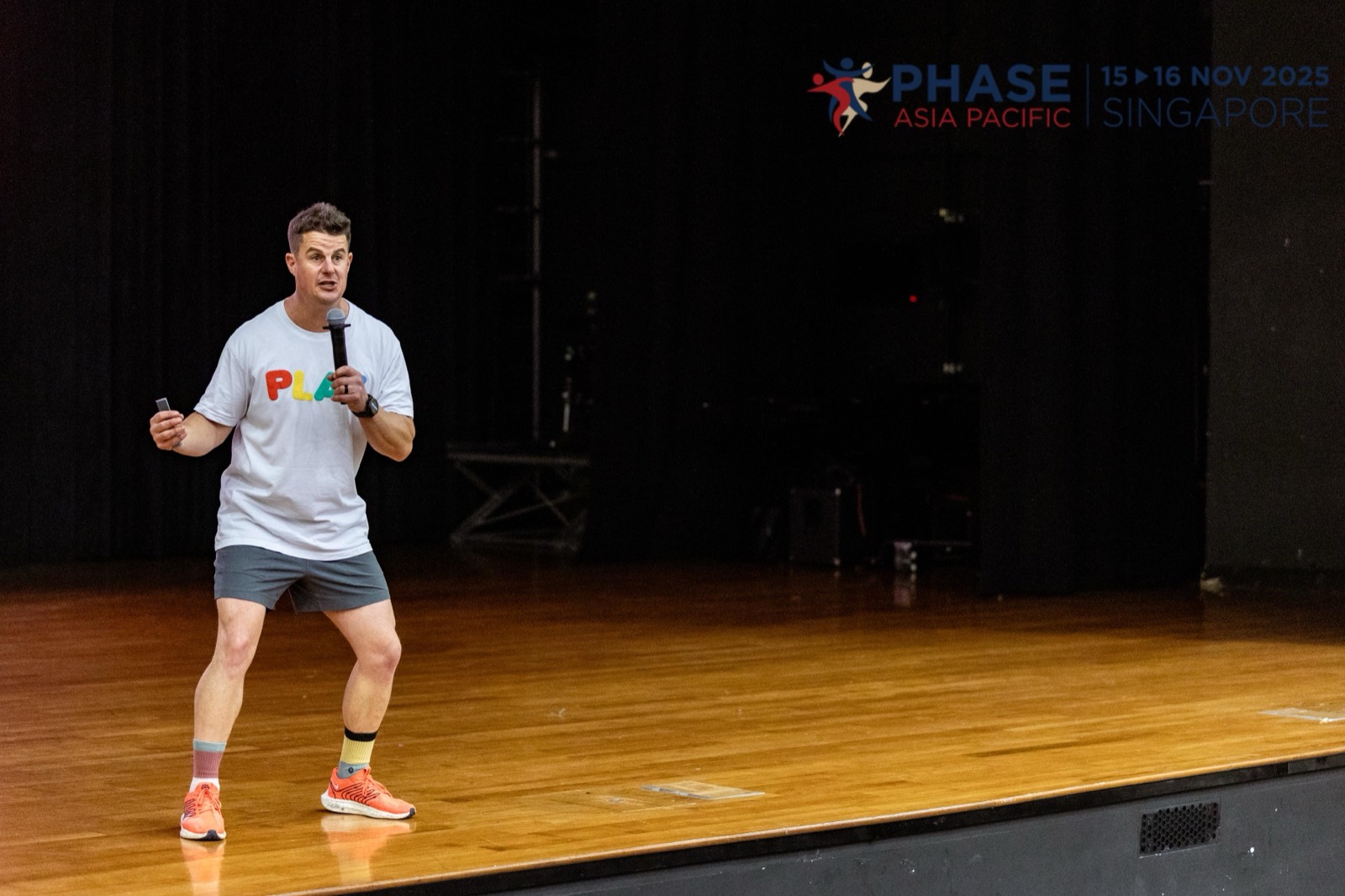
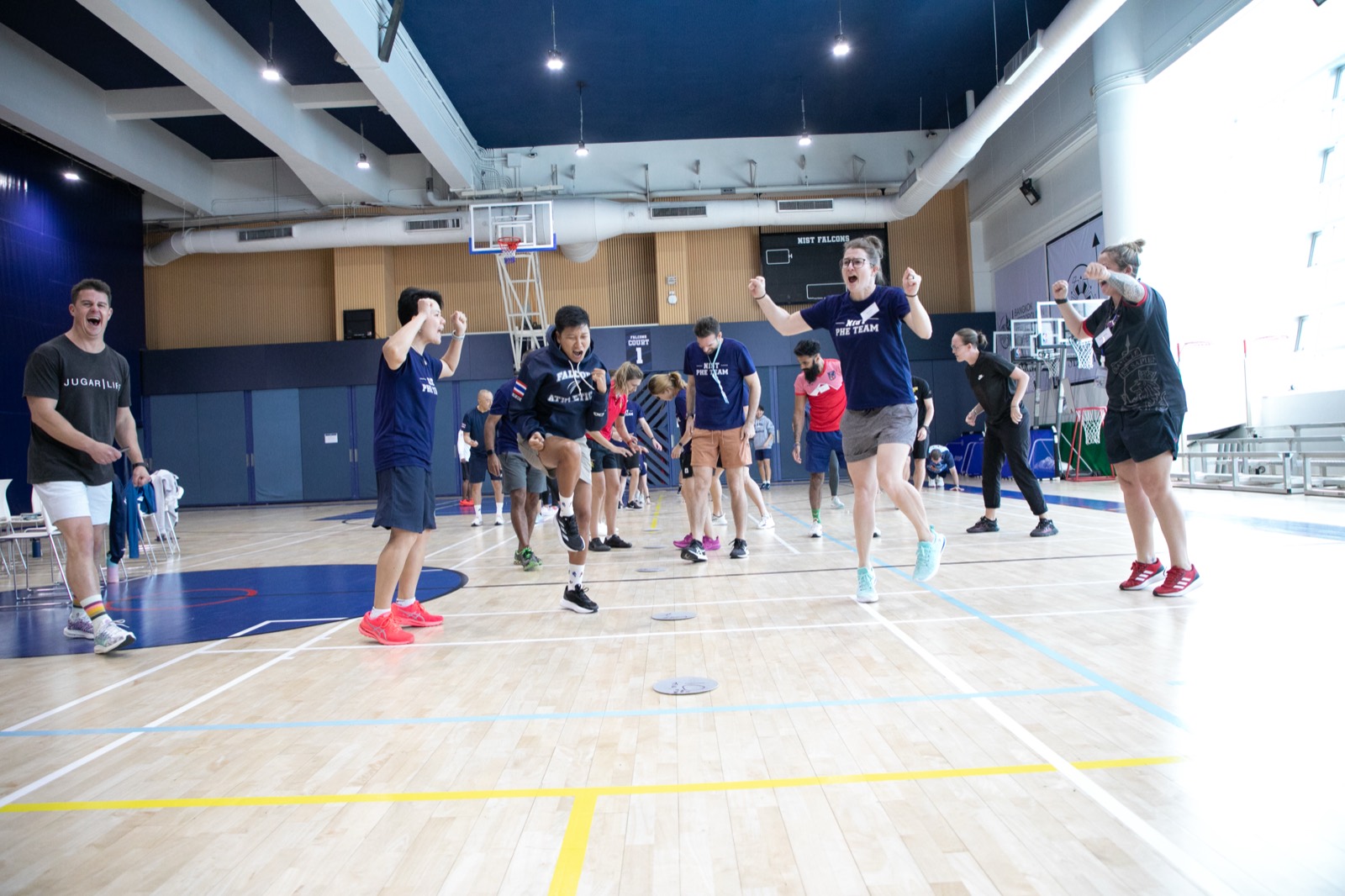
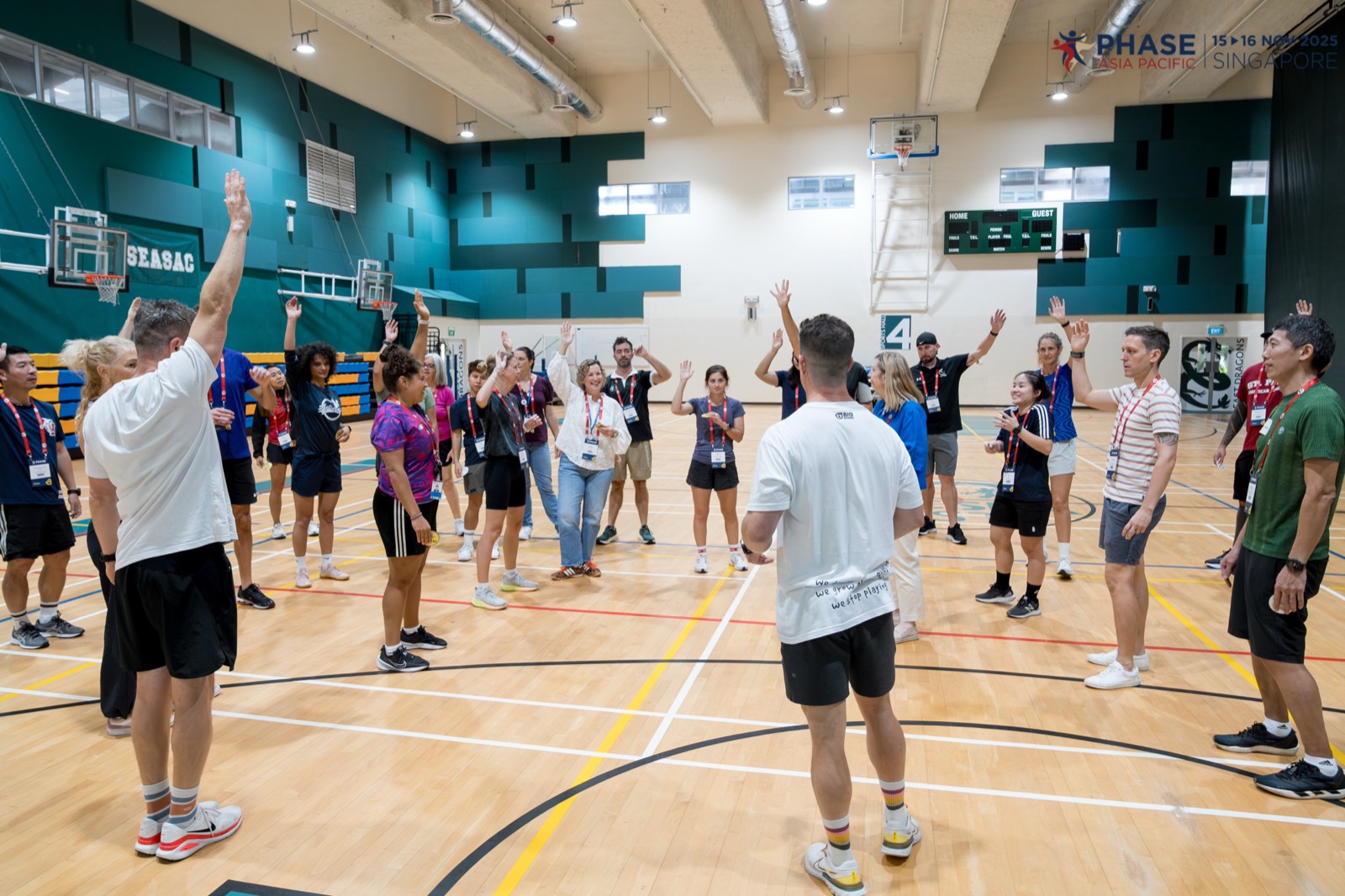
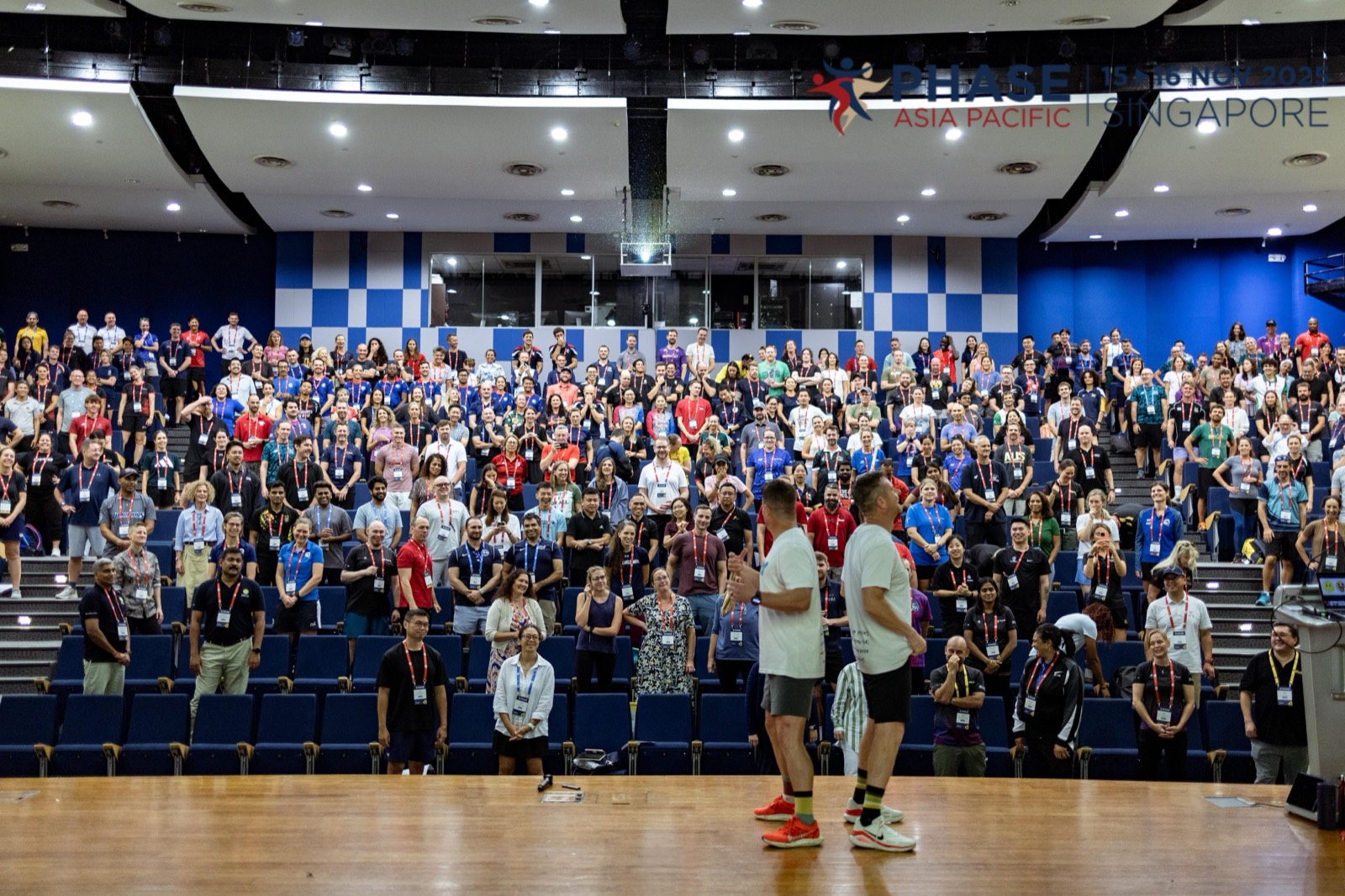
Who you are booking.
Two directors, two backgrounds, one idea. Tell us which of them suits your staff and we will say so honestly if the other is the better fit.

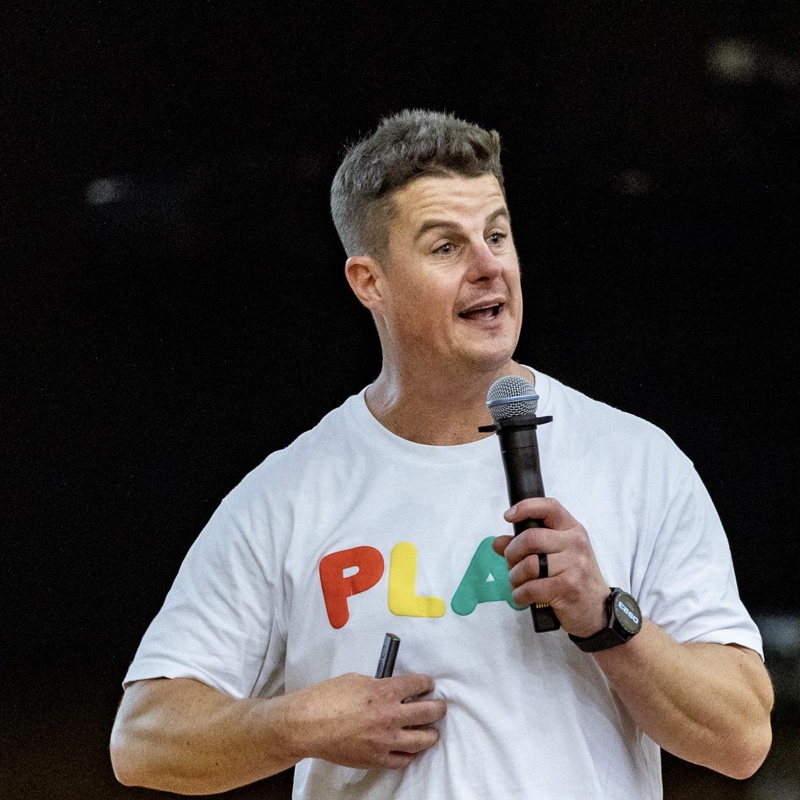
Dale Sidebottom
Started as a PE teacher in London in 2010, then a supply teacher walking into a different room every day, which is where the games came from. He built ClassBreak out of them and still teaches them in person, on the floor, with the staff up and moving.
- Author of All Work No Play
- TEDx speaker
- Co-host, Energetic Radio
- Audiences in 40+ countries

Paul Campbell
Deep experience from classrooms and leadership teams, having worked as a teacher, assistant principal and wellbeing leader. He blends positive psychology, evidence-based practice and human-centred leadership into practical approaches schools can actually run. Known for a calm presence and strategic clarity, his work builds connected cultures where people feel seen, supported and safe to grow.
- Former assistant principal
- Positive psychology
- Co-author, 365 Days of Play
- Co-host, Energetic Radio
What they speak about.
One idea, four angles: school should feel better to be in. The same thinking behind the science of brain breaks.
Play
Why quick, well-run games change the temperature of a classroom, and how to build them into any school day without losing a minute of learning.
Movement and energy
The evidence behind movement breaks, and what happens to focus and behaviour when a class moves before it thinks. The same science behind ClassBreak.
Wellbeing and positive education
What a wellbeing programme looks like when it is more than a poster on a wall: building it into the timetable, the staff room and the way a school actually runs.
Connection
Winning a room in the first ninety seconds, and keeping it. The games that build trust fast, with students and with each other. Either of them will run this one.
Three ways to book them.
Keynote
A high-energy session for conferences and whole-staff events. Expect to be out of your seat. The ideas behind ClassBreak, told through the games themselves.
Workshop
Hands-on and practical. Teachers play the games, then unpack how to run them: timing, grouping, energy management, and what to do when it goes sideways.
Staff PD day
A full day with your staff, shaped around your school. Play in the morning, practice in the afternoon, and a plan every teacher can run on Monday.